Oh no, here we go again!

It is now May 1st. Sjogren’s Awareness Month is over with for another year. I’m so relieved that I don’t have to think about it anymore!

Yes, of course I am being sarcastic. Anyone who suffers with a chronic illness is well “aware” of the effects of the illness every month, week, day, and sometimes minute of the year. It is not just Sjogren’s patients who have to live with on-going symptoms, but many people who have autoimmune and other illnesses.

Type 1 diabetics cannot just “let it go” and not think about their bodies, symptoms, medications, and self-care. If a Type 1 Diabetic doesn’t monitor their blood sugar level the consequences can indeed be dire. It is essential they are vigilant in monitoring themselves several times a day.

May is Celiac Awareness Month, likewise for another autoimmune disease, Lupus, which is sometimes called a “sister disease” to Sjogren’s because they share so many similarities. In fact, this month in Canada, we recognize 38 different health conditions. Some have an awareness day, some a week, others devote the entire month to public education and awareness.

BrainCancer.org-Go-Gray-in-May

Gluten awareness

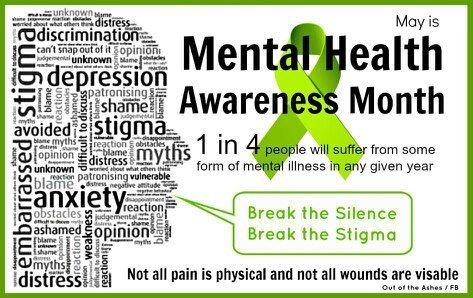
Mental Health Month

World Lupus Day

Celiac patients must be vigilant in ensuring they do not consume gluten. For them, eating gluten-free is not a fad or choice, but a medically essential task. Most people eat three meals a day, possibly some snacks. Imagine having to be concerned at every single meal if there might be gluten ingredients in your food, which could trigger horrible gastrointestinal symptoms as well as other systemic symptoms if accidently ingested.

I understand “awareness” months are really not for the people afflicted with any of these illnesses. Likewise caregivers of children, or adults who have chronic and / or terminal illnesses, including mental health issues, or lifelong conditions such as cerebral palsy or autism hardly need any reminder whatsoever of what is involved with having such a diagnosis, its effects on the individual as well as the people who care for them.

So though you may get “sick” of hearing about these various illnesses as we go through the year and they each take turns being condition of the month, remember that no one is more “sick and tired” of them than the person who has the condition. Remember a little understanding on your part can go a long way, someone you love will love you for it!

Sick of hearing about Sjogren’s?

Are you sick of hearing about Sjogren’s Syndrome?

The topic came up this week on Christine Molloy’s Facebook page “Thoughts and Ramblings on Life, Love and Health”. Christine has a blog: http://www.christinemolloy.com She celebrated her 6th anniversary of beginning the blog by posting the link to her very first blog post again this week. Over the years she has posted about Sjogren’s but her blog is not exclusively about the syndrome. At the outset she made a conscious decision for it not to be. She stated she was more than Sjogren’s, so she intended her blog to be more than just that too.

Likewise I made a similar decision about my blog when I began. That is why I have a topic bar underneath my blog title, so people can chose to read just the Sjogren’s posts or random topics, just memoir or poems, or whichever combo thereof.

It is a common concern of most Sjogren’s patients (as I am sure is the same with sufferers of any other chronic illness) to not to talk about their illness all of the time. We are quite aware other people will get sick of hearing about it, because guess what? So do we.

Unfortunately it is not an easy ailment for patients to ignore since symptoms frequently affect a person from head to toe, literally.  It is chronic and without cure. There is no treatment specific to Sjogren’s; what treatments are available are often hit and miss.Relentlessly day after day, Sjogren’s is exhausting.

Even the minority of Sjogren’s patients who are not affected initially by overwhelming fatigue become tired because of the illness being so invasive of time, energy and finances. Fatigue is not just a physical symptom of the disease itself and the chronic flu-like pain so many suffer with, but also becomes a side effect of what it takes to manage the disease. A few years ago a chronic disease lifestyle study was done which showed that Sjogren’s was on par with Multiple Sclerosis as far as the patients’ day to day quality of life.

While admittedly we get tired of not just hearing about Sjogren’s but also living with it, many of us do feel it is critical to raise awareness of the disease, as well as reach out to support others, especially those who may be new to the diagnosis, or perhaps still seeking one. So for that reason I will continue to post about Sjogren’s from time to time, not just during awareness month but whenever the mood strikes me.

Am I doing it for attention, pity, sympathy, or to play the “my disease / symptoms are worse than yours” game? Absolutely not.

I do it to educate, so perhaps others who may be struggling with symptoms may have a shorter road to diagnosis and treatment than I had. I also do it in hope of creating better understanding not just of the medical aspects of Sjogren’s, but for the challenges that come along with living with the myriad of symptoms. I do it not just for the Sjogren’s patients but also for their loved ones, so that they too may have a better understanding of the syndrome, thus in turn the potential for greater patience and compassion. I do it because telling my story makes me feel better, and maybe just maybe, my story might do the same for you.

vanzant quote re story sharing

http://www.sjogrens.org
http://www.sjogrenscanada.org

If you can swish or spit, celebrate!

We take so many things for granted until we don’t have them in sufficient quantities or quality. For Sjogren’s patients that would include saliva. (And tears of course, but that’s a story for another day.)

Sometimes Sjogren’s patients still have some saliva but I have been told and have read it is of a different quality than normal. Other Sjogren’s patients have quite a large quantity remaining, so find this to be one of their lesser symptoms.

I wouldn’t say the problem of dry mouth varies too much overall in my case. It’s always bad. Though of course there are things that make it slightly better or worse such as types of foods consumed, some teas, certain toothpastes and mouthwashes (especially those containing alcohol).

There is help for dry mouth, both oral medications (a couple different types – Salagen or Evoxac), as well as over the counter products. I have never tried the oral prescription meds because they have never been recommended to me, and also they can have many side effects (lung issues, profuse sweating, etc.) Some people do not tolerate them well. I often have issues with medications so have steered clear of them so far, but would consider if I started choking frequently or developed increasingly serious oral health issues.

I have used over the counter saliva “substitutes” which I do not find pleasant. I once told a doctor it was like having someone else’s lemon flavoured spit in my mouth. It was not like saliva at all but it was a temporary solution, a bit of a fix. There are also numerous other dry mouth products such as discs and lozenges, as well as toothpastes and mouthwashes specifically formulated to help patients cope with the dry mouth symptoms. Sjogren’s patients need to be diligent about oral hygiene and have regular dental cleanings and check-ups. I love my Sonicare electric toothbrush and highly recommend it or another quality electric toothbrush for part of an excellent oral hygiene regimen.

IMG_1422

Oral problems that can occur due to dry mouth include overall oral discomfort (just having a very dry mouth does not feel good), tooth decay, fungal infections, difficulty swallowing dry foods (or even other foods such as lettuce, raw carrots, etc.), difficulty speaking due to tongue and lips sticking, gum disease, bad breath, teeth adhering to cheeks while sleeping, and salivary gland enlargement.

It is important to remember saliva in your mouth is the beginning of the digestive process, vital and not to be taken for granted. If you have lots, celebrate it – swish it around and remind yourself of all the good things it does for you!

NOTE: I appreciate the interest in my Sjogren’s awareness posts and the questions that have come forth over the last couple weeks. Just a reminder, these blog posts are my own experiences and not intended to be a replacement for advice from your own physician or medical specialist. It is also important to remember that symptoms and resulting treatments can vary greatly from patient to patient; that is another reason Sjogren’s Syndrome is so difficult to diagnosis and to treat.

A diagnosis that is hard to swallow…

IMG_1421

“If I gave you a cracker right now, could you chew and swallow it without water?”

Struck by the oddness of the question the Rheumatologist asked, I nevertheless thought about it only a fraction of a second and answered a sure “no”.

Why would he, a Rheumatologist, be asking such a question when I had been sent to him because of my ongoing complaints of sore joints, aching muscles, relentless fatigue and some vague irregularities in common blood test results?

I had seen this specialist once before. He had conducted a brief physical exam at the time, with special attention to my joints and muscles. He assured me I was completely healthy and he had no concerns. However, he sent me off to the lab that day after my appointment because he wanted a few specialized blood tests done. About ten days later he called asking me to come in to see him again for a more thorough examination, as there were some “indicators” in my lab work but he did not elaborate on what they might be.

This visit he started by looking in my mouth. I simply thought he was going to do a complete exam head to toe. After asking me about my ability to swallow a cracker he told me that my mouth was extremely dry, with barely any saliva in it all. I had never thought about it, but as he told me this, I knew he was correct.

This week someone asked me if dry mouth was the first symptom of Sjogren’s I experienced. I replied initially I thought it was not but rather it was the unrelenting fatigue alongside muscle and joint soreness that brought me to the doctor over and over again starting in my thirties. Looking back however, I suspect I may have had Sjogren’s as a teen or possibly as a child.

I remember being quite young and putting butter on my crackers when I ate them. As a teen my Mom looked at my toast and asked sarcastically, “You think you have enough butter on that?” I now realize I needed the fat on my crackers and toast so I could swallow them easily. My Mom had also wondered how I could wander around the house brushing my teeth and not be drooling frothy toothpaste all over. It is all clear now; my mouth was simply very dry for a very long time.

Further evidence of the dry mouth problem was that I had numerous cavities as a child / teen and was subjected to extensive dental work for fillings and crowns. As a young adult, my dentist said “You must have been a real grunge mouth when you were younger?” Thinking back, I realize as a youngster I was probably not as meticulous as I am now about my oral hygiene. I certainly know now how many foods adhere to my teeth; even something as simple as a single bite of a cracker or bread can cling to my teeth for hours since I have so little saliva.

Lack of saliva can increase risk of choking as well. At times I have had a miniscule piece of romaine lettuce or carrot get stuck on the lining of the back of my mouth or throat, strongly adhered, difficult to get back up or go down. Even with a drink sometimes it will cling, requiring me to eat a bite of something else in hope of it catching that fragment along with it to swallow.

The Rheumatologist had explained there were tests which could be done to confirm the Sjogren’s dry mouth diagnosis (lip biopsy, unstimulated salivary flow rate, etc.) but he said in my case they were absolutely unnecessary; a visual check combined with the blood tests, and other physical complaints was all he needed to be sure.

He explained I tested positive for ANA as well as the Sjogren’s specific antibodies SS-A, and SS-B in my blood therefore I indeed had Sjogren’s Syndrome. I had not an imaginary, psychosomatic illness, but a real one that had shown up in my blood explaining the symptoms I had been complaining about and reporting to doctors for years.

In that moment I was relieved, as well as excited to have a diagnosis at last. Little did I know then; in the coming years I would discover the diagnosis would be difficult to swallow in more ways than one.

*Note: Sjogren’s is not the only reason people experience dry mouth. Hundreds of medications (both prescription and over the counter drugs), cancer therapy, tobacco use, and nerve damage are a few of the other main causes of dry mouth. It should be noted that dry mouth is only one of many possible symptoms of Sjogren’s. For more info visit: http://www.sjogrens.org or http://www.sjogrenscanada.org

No delusions of grandeur!

delusions of grandeur – a delusion (a false belief) that you are much greater and more powerful and influential than you really are

Although I am incredibly honored and excited to have some of my paintings and poems chosen for the InSight2 International Exhibition & Symposium, I do not suffer from any delusions of grandeur. In fact, I want people who go see my abstracts and read the poems that comprise my “Blue-Green Elixir” exhibit to think they can do it too. That was the whole point of my submission, that any artistic pursuit could have healing benefits for anyone suffering whether physically, mentally, or emotionally. I will be ecstatic if people see my art and decide “Hey, this looks pretty easy; if she said it helped her feel better, then I am going to give it a try too.”

“Blue-Green Elixir” is rough, amateur painting, as well as poems that are far from literary masterpieces. I have no delusions that they would be chosen for any other type of juried art show or literary anthology. It is however, my sincere hope that they may inspire others who suffer from illness or lack of well-being of any sort, to at least give art a try.

Here is a snippet about how “Blue-Green Elixir” came to be (from my submission):

Living in a rural area, hours away from a city, the option of attending a formal “Arts in Medicine” program, visiting a psychologist specializing in art therapy, or an “Artist in Residence” at a major hospital is usually not a viable option. At times the very nature of one’s illness may prohibit travel and engagement due to mobility issues, fatigue, concentration issues and so forth. For many patients not having ready access to arts / humanities programs presents a barrier to becoming engaged in experiences that could promote improved health and well-being.

It was my good fortune to stumble upon on-line writing classes through the University of Alberta Faculty of Extension that are taught by Reinekke Lengelle, a former writer in residence at the University of Alberta Hospital. The on-line delivery allows an individual to work on their projects when they feel best, ready to engage with their learning community. In addition to the discovery that the very act of writing itself is indeed “good medicine”, the creative writing courses allowed me the opportunity to develop on-going relationships with others not just coping with illness, but thriving creatively in spite of it!

“Blue-Green Elixir” was chosen as the title of my exhibit due to my recent experience at a weekend painting workshop given by artist Rose-Marie Cameron. It was an event open to the general public, and one that I had long hoped to participate in. On the second day of the workshop, one of the other participants asked me if I realized I was always using blue and green in my paintings. I told her I had tried the reds and yellows but they left me ill at ease; I craved blues and greens. I did not explain further. I had discovered that the blue – green colors as much as the creative process itself, were soothing and calming me, lessening my symptoms.

I have learned that the blank page or canvas can be witness to my anxiety, grief, and pain, lessening my symptoms and easing my mind. Colors can soothe, words can heal.

 "Blue-Green Elixir"

Painting above, “Blue-Green Elixir”, is actually not in the exhibit because the canvas was damaged. Thought I’d give you a peek of my work. Next post I will reveal a secret about my “technique” that may surprise you!

“Blue-Green Elixir” at InSight2 starting May 14, 2013!

 I am excited to announce, starting tomorrow I will have an exhibit of 4 poems and 4 abstract paintings in the “InSight2 – Engaging the Health Humanities” exhibit at the University of Alberta FAB (Fine Arts Building) Gallery in Edmonton. InSight2_Invite_digitalThe gallery is closed Sunday / Monday / Holidays and open Tuesday to Friday 10-5 and Saturdays 2-5. This is the first ever exhibit and publication of my work. I am happy to share with you the following abstract describing my work:

“Blue-Green Elixir”   It is my aim to express creatively my experiences, thus making tangible through artistic expression my emotions, thoughts, and memories involving illness. The work is a sampling of documentation of my search for “well-being”, when “being well” is not an expected outcome. In addition to the insight producing the art has provided me, it is my desire that it may also provide the community at large, other patients, and especially health professionals, with insight and understanding of what one patient may experience during their medical journey.  Improved mental well-being throughout the course of incurable, chronic illnesses has become viable for me because of my engagement in artistic endeavors. Hopefully my positive experience will resonate with other patients, and also encourage health professionals, if not to “prescribe” at least perhaps to “advise” their patients of the possibilities of art and medicine working hand in hand.